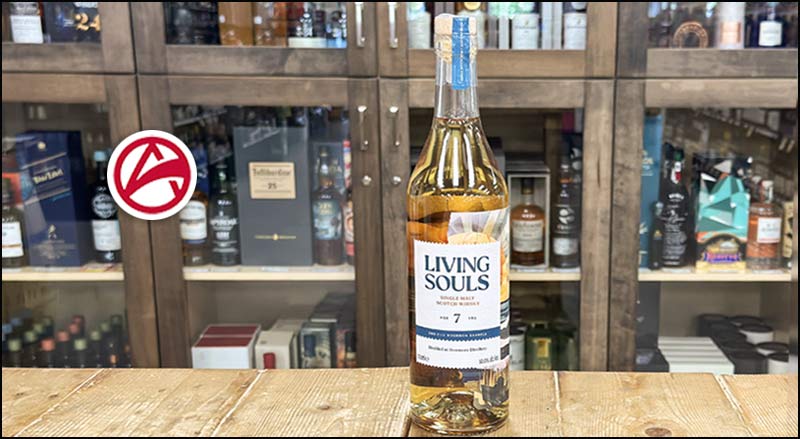
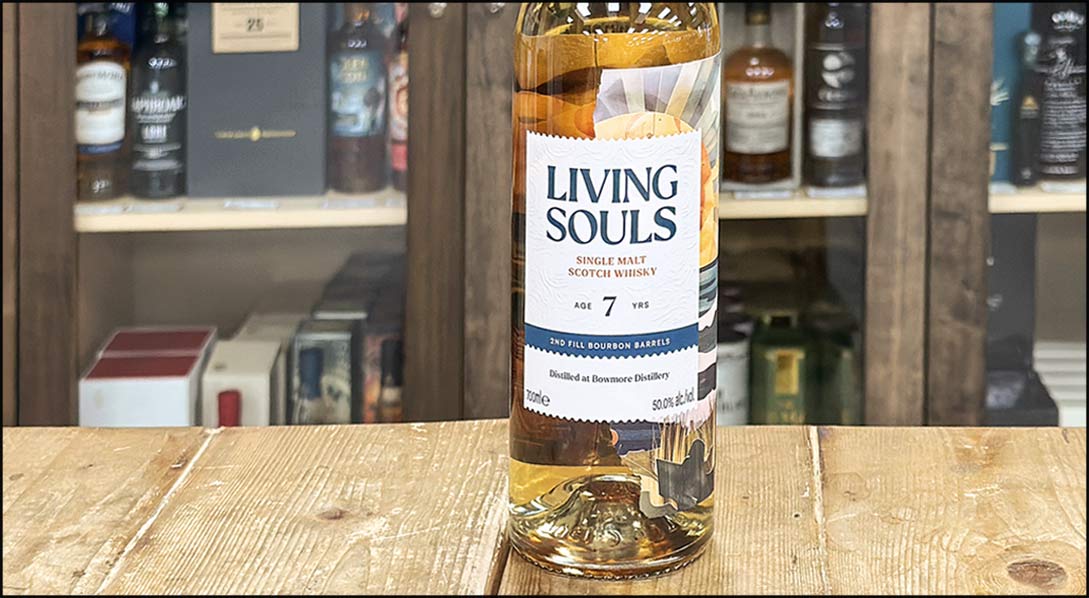
Living Souls 7-Year-Old Bowmore Single Malt Scotch Whisky
Living Souls 7-Year-Old Bowmore is a young Islay single malt with a softer coastal edge. Matured in second-fill bourbon barrels and bottled at 50% ABV, it brings Bowmore’s gentle island smoke into a clean, approachable register, with sea salt, vanilla, lemon zest, warm oak, and a light salted-toffee sweetness that feels calm, balanced, and beautifully seaside.
Bottle insight
This is the kind of whisky that shows why Bowmore remains one of Islay’s most beloved names. While Islay whisky is often associated with big peat and powerful smoke, Bowmore can offer something more graceful — smoke that drifts rather than shouts.
Second-fill bourbon barrels are bourbon casks that have already been used once to mature Scotch whisky. They usually bring a softer influence than first-fill casks, adding gentle vanilla, oak, spice, and sweetness while letting the whisky’s natural distillery character shine.
In the glass, expect a fresh maritime profile with a slight sea breeze, soft smoke, vanilla, citrus peel, salted toffee, warm oak, and a lingering bonfire-ash finish.Beginner-friendly explainer
If you are new to whisky, here is the easiest way to understand this bottle: single malt means it comes from one distillery, 7 years old means every drop has spent at least seven years in oak, and first-fill bourbon barrels usually bring brighter notes like vanilla, honey, caramel, and soft spice. Because it is non-chill filtered and bottled at a slightly higher strength, it may feel richer on the palate—and a few drops of water can help open it up.
Short tasting-room prompt
Ask guests to look for three things in this pour: the smoke first, the bourbon-cask sweetness second, and the coastal salinity underneath. That simple progression gives beginners a clear way in, while still leaving room for more experienced drinkers to find citrus, herbs, nuts, vanilla, or a gently oily mouthfeel.
Living Souls background
Living Souls is a Glasgow-based whisky company founded in 2024 by industry veterans Calum Leslie, Jamie Williamson, and John Torrance. Officially, the brand’s mission is to find remarkable whiskies that have wandered “off the beaten track,” add its own touch, and bring those stories to life through small-batch releases. Trade coverage at launch described the company as a new independent bottler specializing in small-batch and single-cask-style releases, with a deliberate focus on memorable, limited-edition whisky.
What makes the brand useful for a consumer-facing page is that its philosophy is unusually easy to explain. On its own site, Living Souls says it looks for overlooked or unconventional parcels of spirit, then shapes them through careful blending or finishing so the whisky speaks through flavor rather than prestige. It also says it is not bottling for status or collectability, but for drinkability, character, and craft, which gives you a strong narrative bridge between enthusiast credibility and everyday accessibility.
The visual system is worth using too. Living Souls says all releases are bottled at natural colour, never chill filtered, and released at a strength that suits the spirit. It also uses a colour-code across its labels: Moss Green marks whiskies that are robust and smoky, which fits this Torabhaig release especially well. That gives you a simple design-and-copy cue for the webpage: green accent equals smoke and depth.
A polished background paragraph for the webpage could read like this: Living Souls was founded in Glasgow by a trio of whisky industry insiders with backgrounds in innovation, cask sourcing, blending, and brand building. Their idea is simple: find characterful spirit that others might overlook, then bottle it in a way that makes flavour the headline. The result is a house style built around small-batch individuality, natural presentation, and whiskies that feel expressive rather than overworked.
Understanding the Living Souls colour codes
Living Souls uses colour as part of the tasting journey. Each bottle’s label colour gives a gentle clue about the whisky’s personality before you even pour a dram.
Citrine Yellow points toward bright, fruity whiskies — think orchard fruit, citrus, honey, vanilla, and lively sweetness.
Berry Rouge suggests richer, deeper flavours — dried fruit, old oak, spice, leather, nutty depth, and the mature complexity sometimes described as rancio.
Atlantic Blue signals coastal and saline character — sea air, salt, mineral freshness, brine, citrus, and maritime elegance.
Moss Green marks the more robust and smoky side of the range — peat smoke, bonfire embers, smoked meats, toasted nuts, earthy depth, and bigger flavour presence.
These colours are not strict rules, but helpful signposts. They give guests a quick way to understand the mood of each bottle and make the tasting experience easier to follow.
The 50.0% ABV is also important for the audience. It places the whisky above the very common 40%–46% range, so it will likely feel fuller, punchier, and oilier on the palate. The Scotch Whisky Association’s tasting guidance specifically recommends trying a little still, unchilled water during a tasting because it can reduce the alcohol’s intensity and help release more flavor. For an event audience, that is a useful teaching moment rather than a complication.
Plain-English term guide
Single malt means the whisky was distilled at one distillery, from water and malted barley, using batch distillation in copper pot stills. In this case, that distillery is Torabhaig. The 7-year age statement means the spirit in the bottle has matured for at least seven years; in Scotch whisky labelling, an age statement refers to the youngest whisky in the bottle, not an average age.
First-fill bourbon barrels means the casks have previously held bourbon and are being used to mature Scotch whisky with a relatively strong cask influence. Official educational material from The Glenlivet explains that bourbon casks commonly bring vanilla, caramel, and butterscotch, and that first-fill casks typically produce more robust flavour than refill casks. Torabhaig’s own wording is even more specific for its spirit: first-fill bourbon helps pull out vanilla, sweet spice, and honey.
Second-fill bourbon barrels means the casks have previously held bourbon and have already been used once to mature Scotch whisky before being filled again. Compared with first-fill bourbon barrels, second-fill casks usually give a gentler oak influence, adding softer notes of vanilla, light caramel, spice, and wood while allowing more of the distillery’s natural character to come through.
For this 7-Year-Old Bowmore, that lighter cask influence is important. Bowmore’s coastal Islay style brings sea salt, citrus, gentle peat smoke, and soft bonfire ash, while the second-fill bourbon barrels add balance, texture, and a touch of sweetness without overpowering the spirit underneath.
Peat smoke is the source of the whisky’s smoky character. The Scotch Whisky Association explains that smoky flavour in certain Scotch whiskies comes from the peat fire over which the barley is dried before mashing. Torabhaig’s distinguishing twist is that it is not chasing sheer peat force; it is explicitly building a more refined smoky style, which is why their own language leans toward elegance and balance rather than brute intensity.
Non-chill filtered means the whisky has not been chill-filtered to remove the compounds that can create haze at low temperatures. The Scotch Whisky Association notes that non-chill-filtered Scotch can go cloudy if ice is added, and the UK technical file explains that chill filtration is commonly used to remove haze- forming material before bottling. For consumers, the practical meaning is simple: the whisky may keep more texture and character, even if it does not stay crystal-clear over ice.
Natural colour means the bottle’s colour has not been adjusted with caramel for consistency. The UK technical file explains that plain caramel colouring is the only permitted additive for Scotch and that some producers use it to standardize appearance across batches. Living Souls says its whiskies are bottled at natural colour, so this Torabhaig’s hue is meant to reflect cask influence rather than colour adjustment.
ABV stands for alcohol by volume. Scotch whisky must be bottled at a minimum of 40% ABV by law, and this bottle’s 51.5% ABV signals a stronger, more concentrated presentation. Batch #1 is not a legal whisky category; here, it appears to refer to the first batch of this Living Souls release, which fits with the company’s broader pattern of releasing named small-batch bottlings and aiming for a small number of release batches each year.
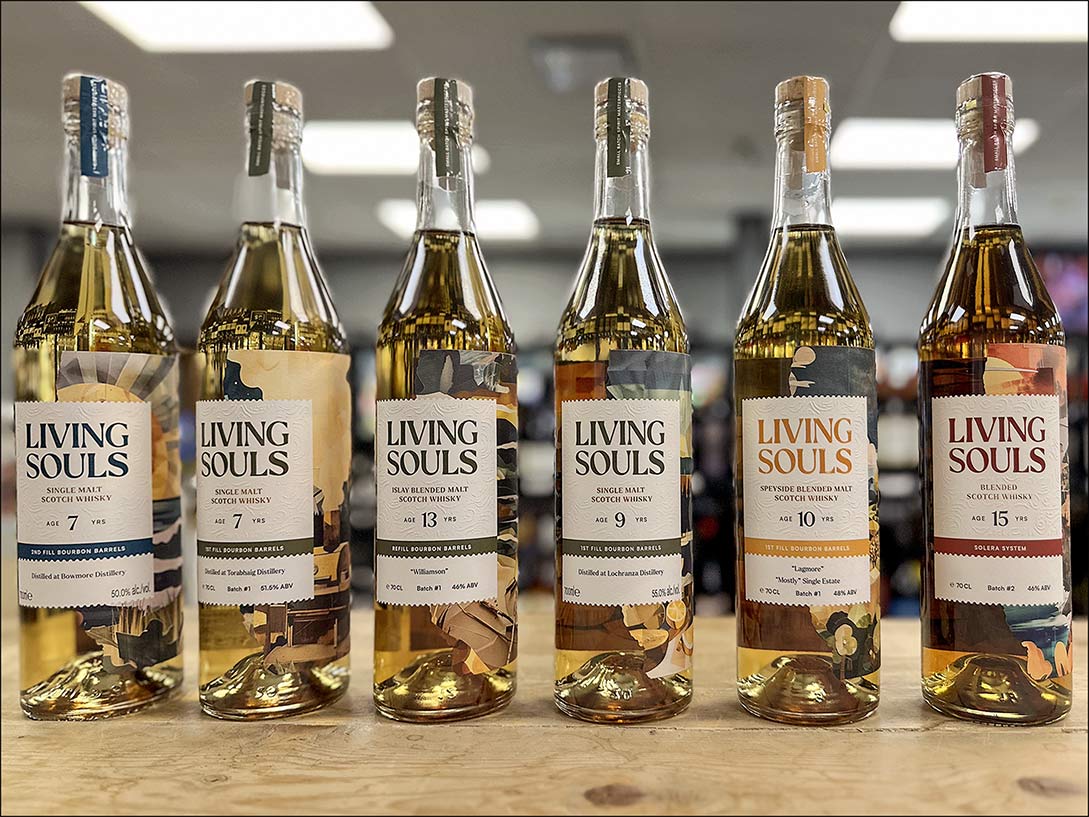
Arc's Featured Whisky -
Living Souls Selection
